

Getting Started
Keeping Bees in the City: What to Consider First
A safety-first overview of laws, training, neighbours, allergies and long-term responsibility.
Read guide →Learn what responsible urban beekeeping requires before buying bees or equipment: local rules, hands-on training, site planning, public safety, colony health and respectful neighbour relations.
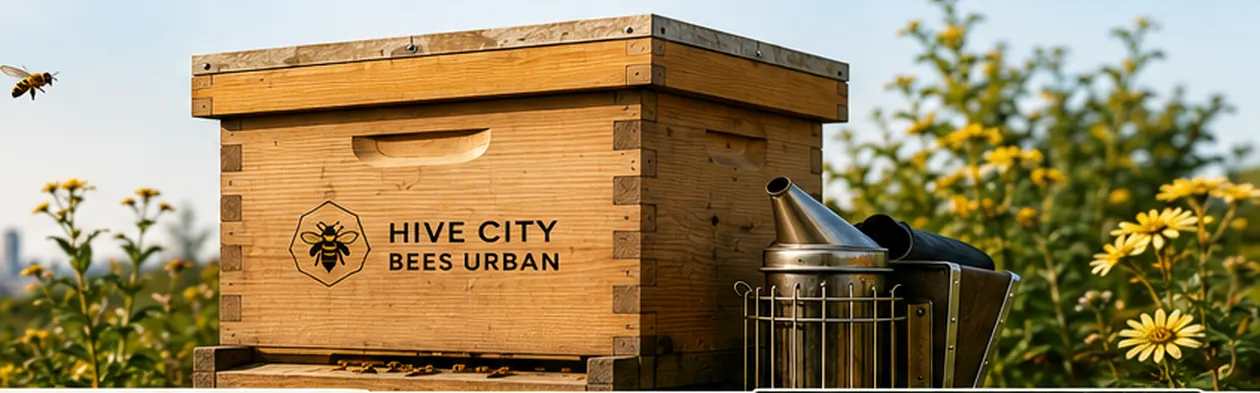
A safety-first overview of laws, training, neighbours, allergies and long-term responsibility.
Read guide →
General prevention and emergency planning for stings and severe allergy.
Read guide →
A risk-review framework for access, flight paths, water, neighbours and emergency response.
Read guide →
An overview of colony roles, brood, comb, foraging and seasonal change.
Read guide →
Habitat ideas for diverse pollinators with or without managed bees.
Read guide →
A hemisphere-aware planning overview focused on records and local mentoring.
Read guide →Many people who search for “beehive city” are really interested in greener neighbourhoods, pollination and nature. A locally suitable flowering garden, reduced pesticide exposure and community habitat work can help diverse pollinators with less responsibility and lower public risk than managed colonies.
Identify unresolved legal, training, property, allergy and backup-care questions.
Use tool →Screen a proposed location for access, flight-path, height, neighbour and emergency concerns.
Use tool →Create a hemisphere-aware checklist without pretending a calendar can replace local advice.
Use tool →